Learning from Unusual Sawfish Mortality Events:
Causes, Effects, and Conservation Applications
July 11, 2026
New Orleans, Louisiana
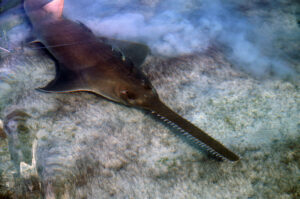
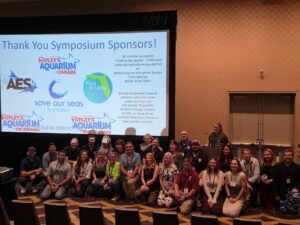
An extraordinary group of experts gathered in New Orleans in July 2026 to explore the latest threats facing one of America’s most threatened species, the smalltooth sawfish (Pristis pectinata). The special symposium —“Learning from Unusual Sawfish Mortality Events: Causes, Effects, and Conservation Applications” — was part of the American Elasmobranch Society annual meeting and featured top researchers in the fields of ecology, toxicology, and veterinary science as well as government officials, conservationists, and aquarists. The goal was to share information on the unprecedented sawfish mortalities from the “spinning fish” events of 2024/2025, reassess the overall threat of extinction, and plan more effective responses.
Background
Since the U.S. smalltooth sawfish (Pristis pectinata) was listed under the Endangered Species Act in 2003, experts from research institutions, conservation organizations, government agencies, aquariums, and angling communities — supported by philanthropists and thousands of concerned citizens — have cooperated in efforts to save the species from extinction. Protections were established, research expanded, public awareness grew, and eventually it appeared that the population was at least stable and possibly increasing.
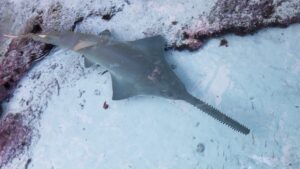
Then, in early 2024, smalltooth sawfish in the Florida Keys began exhibiting unusual neurological symptoms such as disoriented swimming, shallow water thrashing, and beaching from the now widely recognized “spinning fish” sickness. By 2025, researchers had investigated hundreds of reports of affected sawfish, and collected more than 50 dead sawfish for necropsy, amounting to the largest collaborative research effort ever taken for this critically endangered species.
Putting Puzzle Pieces Together
Researchers presented evidence suggesting that toxins from naturally occurring benthic algae caused the unusual neurological symptoms observed in sawfish and many other marine fishes. It is still unknown what caused the benthic algae to bloom at above normal densities. Scientists were able to rule out several other previously considered causes of the spinning events (including red tide, infectious disease, parasites, low dissolved oxygen, abnormal salinity, temperature extremes, and several common pollutants).
Although many important scientific questions remain, presenters demonstrated remarkable advances in the wide range of relevant research fields. The community has moved from simply documenting these unusual events to developing a much deeper understanding of possible causes and consequences.
Hard truths
Cumulatively the symposium underscored a sobering reality—the smalltooth sawfish population is now in serious peril. The latest genomic research suggests that the U.S. population is smaller than previously believed and includes a dangerously low number of breeders. To make matters worse, most sawfish lost from the spinning fish events were mature adults or soon-to-be-mature large juveniles, further reducing the already hindered reproductive potential of the population. It appears that most if not all sawfish exhibiting symptoms end up dying as a result, which ups the death toll estimate well above the 65 documented mortalities to nearly 300 individuals. Every remaining reproductively mature sawfish is therefore now absolutely vital to the future of the species.
Given these harsh realities, several presenters stressed the increased urgency of following through on core, unfulfilled sawfish recovery imperatives: monitoring and mitigating sawfish bycatch in southeast US shrimp fisheries (especially the pink shrimp fishery operating off southwest Florida) and protecting critical mangrove habitat from development and degradation.
From Response to Preparedness
After scientific findings on virtually every aspect of the spinning sickness crisis were presented, the focus of discussions shifted from “What happened?” to “How can we be better prepared next time?”.
Participants emphasized the importance of:
- Developing standardized emergency response protocols;
- Expanding baseline health monitoring for healthy sawfish;
- Strengthening partnerships among agencies, researchers, aquariums, and conservation organizations;
- Continuing multidisciplinary research into harmful algal toxins and other emerging threats;
- Minimizing fisheries mortality while scientific investigations continue; and
- Improving communication and preparedness before any future unusual mortality events occur.
Looking Ahead
The symposium closed with a sense of urgent need for immediate action over a broader spectrum. The unusual mortality events were unprecedented, but so too was the scientific response. Researchers from many disciplines worked together at an extraordinary pace, building partnerships that will strengthen future investigations and improve preparedness for whatever challenges lie ahead.
More than twenty years ago, the Endangered Species Act listing supercharged sawfish science. The latest research tells us that the next chapter will require a significantly broader view of threats and an even greater commitment to conservation policies. We cannot undo the sawfish lost during these unprecedented events, but we can learn from them and work harder to protect what remains. Sustained, science-based action is the key to ensuring that future generations know sawfish not as a species we lost, but as one we chose to save.
Symposium Presentations and Abstracts:
*****
Tonya Wiley, R Grubbs, Jennifer Wyffels, Gregg Poulakis presentation
Introduction to the Learning from Unusual Sawfish Mortality Events: Causes, Effects, and Conservation Applications Symposium
The smalltooth sawfish (Pristis pectinata) is one of the most imperiled marine fishes in the United States, having experienced drastic declines in both abundance and range. Once relatively common from Texas to North Carolina, sawfish were gone from most of their former range by the late 20th century due to fisheries bycatch mortality and habitat loss. Now regularly found only in south Florida, the U.S. population was listed as Endangered under the Endangered Species Act (ESA) in 2003. After 20 years of ESA protection, the population appeared to be stable, and possibly increasing at localized scales with recurrence in some areas of its former range. A new threat emerged in the winter of 2023-2024, and recurred in winter 2024-2025, as over 80 invertebrate and fish species were observed spinning erratically in the Florida Keys. Smalltooth sawfish were among the species observed spinning and, while other species were not dying in large numbers, sawfish mortalities were documented at unprecedented levels. Symposium speakers will present results from field observations, environmental sampling, biological testing, and other findings from these “spinning fish events” and sawfish “unusual mortality events”. These events represent a significant threat that potentially reversed two decades of conservation progress and could further imperil an already fragile U.S. smalltooth sawfish population or push it to extinction. During a post-symposium forum, participants will synthesize the results presented to discuss possible mitigation measures and determine future research and management priorities.
*****
Micah Bakenhaster, Theresa Cody, P. Fortman, Rebecca Hardman, Kyle Luba, Lukas Heath, Andrew Wooley, Dylan Yakich, Gregg Poulakis
Spinning Fish Phenomenon in South Florida: Epidemiological Trends Revealed by Public Reports, Etiological Insights, and Historical Context
The “spinning fish” phenomenon has been documented by FWC at low prevalence since 1997, but in late 2023 a series of public reports originating from the Lower Florida Keys marked the beginning of a spinning fish event that was unprecedented in its temporospatial scale and was further noteworthy because of numerous mortalities of smalltooth sawfish Pristis pectinata. Here we provide preliminary findings based on solicited public reports and our own observations. Public reporting rates of spinning fish peaked in spring of 2024, dropped precipitously by that summer, and stayed low until a lesser peak in spring of 2025 followed again by a rapid decline in with the onset of summer. Ultimately, spinning fish were observed throughout the Florida Keys. Affected fish belonged to at least 70 species. Generally, affected specimens cooccurred with unaffected fish, and they were remarkable only for their dysfunctional swimming behavior (i.e., “spinning”). These behaviors sometimes were triggered by, or intensified in response to, strong artificial lights or other external stimuli. Most reports were of abnormal behavior absent extensive mortality, and widespread fish kills were not characteristic of the event. Smalltooth sawfish were apparently more likely to die than other species. Irregularities in benthic algal communities and preliminary toxicological studies indicate that further investigation of a phytotoxic etiology is warranted. In the 1970’s, benthic algal toxins were also implicated in an earlier spinning fish event dubbed the “Dance of Death”, which resulted in the brief closure of southern Biscayne Bay to fishing and boating.
*****
Adam Catasus, Alison Robertson, Rachael Schinbeckler, Tynisha Martin, Ross Boucek, Michael Parsons
Benthic Dinoflagellates, Spinning Fish, and Sawfish Mortalities: Is There a Connection?
Fish exhibiting erratic behavior (e.g., spinning) and mortalities were observed in the lower Florida Keys in winter 2023 and spring 2024. Examination of water samples did not reveal the presence of any likely stressors (i.e., red tide, low oxygen, pollutants) and red tide toxins (brevetoxins) were not detected in fish tissue samples. The toxigenic benthic dinoflagellate, Gambierdiscus, was reported at concentrations of 1,000 cells L-1, far above baseline levels measured by the authors over the previous ten years sampling in the Florida Keys (averaging 39 cells L-1). Over 50 taxa of fish affected, coupled with the lack of other potential stressors and potentially elevated levels of Gambierdiscus, a more extensive survey was undertaken in the lower Keys to determine if a “benthic bloom” of Gambierdiscus was occurring. Over one thousand seagrass (Thalassia testudinum), macroalgae (Dictyota, Halimeda, and Laurencia), and water samples were collected and examined to quantify Gambierdiscus cell densities in addition to other, co-occurring benthic dinoflagellates. A comparison of samples collected in spring 2024 with baseline samples (2011 – 2023) collected elsewhere in the Keys indicated that Gambierdiscus cell densities were up to 7 times higher on average at sites exhibiting erratic behavior versus baseline levels. Gambierdiscus densities returned to baseline levels in summer 2024, but a second, less severe scenario was observed in the middle Keys in conjunction with observations of spinning fish in the region in 2025, suggesting a prolonged cascade of events may be occurring. Bloom causation is still unknown and further research is ongoing.
*****
Lukas Heath, Andrew Wooley, Dylan Yakich, Jesse Secord, Lauren Lapham, Noah Reiser, Kristene Parsons, Travis Lowke, Ariel Tobin, Jack Olson, Samantha Hagedorn, Danielle Morley, Jacob Beretta, Kyle Luba, Gregg Poulakis presentation
Chasing Shadows: Smalltooth Sawfish (Pristis pectinata) Unusual Mortality Event Field Response and Observations
In late 2023, reports began of unusual, widespread “spinning” swimming behaviors exhibited by over 80 species of fish in the lower Florida Keys. Most individuals and most species recovered; however, at least 65 large juvenile or adult endangered smalltooth sawfish, Pristis pectinata, died. On 28 January 2024, the U.S. Sawfish Recovery Hotline received the first report of what became an Unusual Sawfish Mortality Event. Over the winter and early spring of both 2024 and 2025, 297 reports were received of large sawfish (>10 feet total length), observed swimming in circles, beaching themselves, or exhibiting other unusual behaviors. Reports peaked in March and April of 2024, with as many as nine individual spinning sawfish reported in a single day. We responded to 134 of these reports, attempting to observe and, if possible, tag and obtain biological samples from each individual. Various wounds on their fins and ventral surface were frequently observed, as well as abnormal sensitivity of the rostrum to touch. Among the live spinning sawfish and recovered carcasses, thirteen had been previously tagged, seven as small juveniles. Others were acoustically tagged during the event response. Most of these were only detected for a few days after release and have not been detected since, while others were found dead a few days later. Response to these spinning sawfish and ongoing analysis of samples collected during these unprecedented events has helped us learn more about sawfish life history, reproduction, and physiology, and contributes to our investigation of this spinning fish phenomenon.
*****
Allison Delashmit
Pioneering a First-in-Kind Fishing Guide-Led Model for Rapid Scientific and Ecological Response
Fishing guides function as distributed observational assets within coastal ecosystems, and their continuous on-water presence, broad spatial coverage, and species-level familiarity position them to detect ecological disturbances in near real time. In 2023, professional guides across the Florida Keys began documenting recurring behavioral abnormalities in multiple nearshore fish species, including disorientation and erratic spinning. Recognizing the potential ecological significance, the Key West & Lower Keys Fishing Guides Association (dba Lower Keys Guides Association or LKGA) established the Guide Rapid Response Network (GRRN), a structured, guide-led monitoring and response framework designed to support rapid detection, documentation, and scientific investigation of marine anomalies. LKGA recruited and trained more than 30 professional guides across the island chain, equipping them with standardized protocols for documenting observations, collecting environmental water samples, obtaining tissue specimens when appropriate, and coordinating vessel-based access for agency and academic partners. In its first year, the GRRN contributed 127 documented hours of field effort and established five strategically located freezer depots from Key West to Key Largo to maintain sample integrity and chain-of-custody continuity. The network represents the first organized, guide-driven rapid response models of its kind in the United States, linking practitioner-based observation with formal scientific inquiry. Since its inception, the GRRN has expanded to include members of other professional guide organizations increasing spatial coverage across the sanctuary. This model demonstrates how stakeholder-based monitoring can strengthen adaptive management, improve data collection, and enhance resilience in coastal marine systems.
*****
Jeonghyo Song, Benjamin Flaum, Mason Dean, Jen Wyffels presentation
Sawful Repair Strategies in the Jaws of the Smalltooth Sawfish, Pristis pectinata
Shark and ray (elasmobranch fish) skeletons feature an unmineralized cartilage core encased by a layer of mineralized tiles (tesserae). This lightweight composite architecture is not without trade-offs: cartilage has poor repair capabilities, making it counterintuitive how elasmobranch species can live for decades or even centuries when their skeletons cannot self-repair like bone. Here we present an injury response observed in several individuals of wild-caught sawfish (Pristis pectinata), characterizing the mineralization of both normal and injured jaws using high-resolution µCT imaging. Sawfish jaw structure in undamaged areas was like that described for other elasmobranchs, with a continuous and defined tesserae layer overlain by a fibrous perichondrium. Defects were conspicuous localized disruptions to the skeletal architecture, forming bulbous calluses (in one case visible externally, bulging against the skin). Within defects, tesserae were displaced and in disarray, enveloped within a porous and poorly organized, mineralized matrix, intruding into the cartilage and perichondrium. Massive radio-opaque mineral deposits peppered the callus matrix, considerably larger and more cuboidal than tesserae. Undamaged sections of the tesserae layer were visible within and emerging from the callus. The callus’ matrix appears to function like a ceramic filler bridging the zone of damage. This suggests a secondary mineralization process distinct from normal tessellated growth, possibly a reparative response to tissue trauma, allowing mechanical reinforcement despite loss of the skeletal cortex. Our findings demonstrate a phenomenon of plasticity and reconfiguration in the sawfish jaw skeleton, offering insights into tissue development and health, and injury-induced remodeling in cartilaginous fishes.
*****
Andrew Wooley, Lukas Heath, Dylan Yakich, Adam Brame, Jared Durrett, Tim Handsel, Gregg Poulakis presentation
Sawfish Rescue Mission: Efforts to Capture and Transport a Distressed Smalltooth Sawfish for Rehabilitation during the 2024 Spinning Event
In 2024, reports of “spinning” and dead smalltooth sawfish in the lower Florida Keys increased from the end of January through February. By 1 March, given the seriousness of the event, the decision was made to begin planning an attempt to rescue a spinning sawfish from the wild, rehabilitate it under veterinary care, and release it back into the wild. Under the guidance of NOAA Fisheries and the Florida Fish and Wildlife Conservation Commission, a large interdisciplinary team planned the logistics of this unprecedented task. On 22 March, permission was granted from NOAA Fisheries to attempt a rescue if the opportunity occurred. In the late afternoon of 5 April, an 11-foot total length male was reported exhibiting spinning behaviors in a canal on Cudjoe Key. Researchers responded, captured, and transported it to a holding facility on nearby Summerland Key. This presentation will highlight the logistical challenges of planning, capturing, and moving a large sawfish into captivity, and serves as an introduction for a subsequent talk on the captive care it received.
*****
Whitney Greene, M Stamper, Lynne Byrd, Douglas Mader, Geraldine Mader, Gregg Poulakis, Andrew Wooley, Lukas Heath, Jared Durrett, Tim Handsel, Tonya Wiley, Adam Brame
Into Uncharted Waters: The First Rehabilitation Attempt of a Smalltooth Sawfish During the 2024 Florida Keys UME
The 2024 Florida Keys Unusual Sawfish Mortality Event (UME) resulted in catastrophic losses of the endangered smalltooth sawfish (Pristis pectinata), with 56 confirmed mortalities and over 200 individuals documented exhibiting distinctive “spinning behaviors” characterized by disoriented swimming, impaired equilibrium, and erratic movements across a region supporting the last remaining U.S. population of this species. In response, an emergency multidisciplinary team of veterinarians, biologists, researchers, and pathologists undertook an unprecedented effort to bring a live, clinically affected smalltooth sawfish into managed rehabilitation care. This presentation will describe the clinical approach and conservation context of the intervention, including the decision-making framework used under emergency conditions, challenges unique to sawfish anatomy and physiology, and handling and transport protocols developed in real time. It will also review the diagnostic methods employed and treatment strategies trialed throughout the rehabilitation period. Clinical findings, outcomes, and the animal’s physiological responses will be discussed in the context of what they suggest about the etiology and pathophysiology of the affected sawfish observed across the broader UME. Although the animal did not survive, this case generated important baseline clinical information for the species, expanded current understanding of elasmobranch rehabilitation medicine, and informed triage and response considerations for future events, with implications for conservation of this Critically Endangered species.
*****
Alison Robertson, Elizabeth Murphy, John Roman, Sarah Dietrick, Katherine Yang, Andrew Selwood, Ross Boucek, Michael Parsons, Theresa Cody, Dean Grubbs, Ashley Dawdy, Adam Brame, Tonya Wiley, Gregg Poulakis
Unraveling the Potential Causes of an Unusual Mortality Event in the Smalltooth Sawfish (Pristis pectinata) 2023-2025
The Florida Keys host a diverse ecosystem vital for subsistence, recreational, and commercial fisheries, contributing significantly to the local economy. However, climate-driven and human-induced disturbances have impacted these resources in the last few decades. Adding to these impacts, in Fall 2023, a myriad of behavioral abnormalities were documented in close to 80 fish species crossing many trophic and migratory guilds, initiating a response effort to determine the cause. During these events, significant mortalities of the critically endangered elasmobranch, Pristis pectinata, were observed, raising concerns about the long-term impacts of this species. Subsequent environmental sampling revealed elevated levels of Gambierdiscus and a complex suite of marine neurotoxins in the water. Fish necropsy results showed no consistent macroscopic effects in fish, however, subsequent toxin testing by in vitro neurotoxicity assay, targeted liquid chromatography-tandem mass spectrometry (LC-MS/MS), gas-chromatorgaphy-mass spectrometry, inductively coupled plasma mass spectrometry, and untargeted high resolution mass spectrometry revealed the bioactivity and presence of benthic algal toxins and other contaminants in a variety of environmental samples and in tissues of symptomatic sawfish. Subsequent chemical partitioning, assay-guided fractionation, and LC-HRMS analyses aided in toxin profiling in sawfish tissues, with differences observed between blood, gill, liver, brain, and muscle, highlighting a complex combined waterborne toxin exposure. Archived tissues and blood from sawfish recovered from prior years in the absence of behavioral abnormalities have served as important field controls, while algae and sediments collected from sawfish foraging habitat have further aided in uncovering data on the possible causes to this unprecedented event.
*****
Rebecca Hardman, Theresa Cody, Micah Bakenhaster, Yasu Kiryu, Tiffany Nicholson, Eric Fortman, Josh Black, Lily Orton, Keith Keel, Maki Tabuchi, Noretta Perry, Jan Landsberg, Carolyn Cray
Evaluation of blood parameters associated with Florida keys spinning syndrome in mullet (Mugil sp)
During winter 2023 – spring 2024, the Florida Keys experienced a widespread phenomenon of neurologically inappropriate spinning behavior across varied teleost and elasmobranch taxa. This coincided with beaching and mortality of the endangered smalltooth sawfish. A multidisciplinary collaborative effort began for response and research including the Florida Fish and Wildlife Conservation Commission (FWC). Multiple objectives were identified in this response initiative which included evaluation of changes associated with blood profiles. The Fish and Wildlife Health subsection collected blood from affected fish during spring 2024, with a focus on mullet (Mugil sp, n=15). For comparison, we collected from normal mullet in early winter 2024 and spring 2025 from the same region (n=9), and from a control region (Tampa Bay, n=18). We performed blood smears and collected plasma banking the latter at -80C. We sent samples to the University of Miami Comparative Pathology Laboratory for blood chemistry profiles, plasma protein electrophoresis, and white blood cell (WBC) differentials. We performed preliminary analysis via PERMANOVAs to evaluate changes associated with the above three blood parameter groups for clinically spinning animals. We found significant effects of blood chemistries and WBCs driven by increased BUN and Uric Acid, decreased potassium, and decreased lymphocytes. Interpretation of these findings will be discussed. Blood collection from mullet will continue on a seasonal basis for normal fish and hopes to capture more abnormal fish. These data help characterize physiological parameters associated with this syndrome with the goal to identify an etiology and prevent or mitigate effects of this emerging disease.
*****
Jennifer Wyffels, Ashley Dawdy, R. Dean Grubbs, Tonya Wiley, Gregg Poulakis, Lukas Heath, Andrew Wooley, Dylan Yakich, Stephen Anderson, Jill Arnold, Shane Boylan, Chris Buckner, Lynne Byrd, Carolyn Cray, Whitney Greene, Kady Lyons, Chris Malinowski, Shannon Modla, Nicole Stacy, Tracy Stokol, Jared Durrett presentation
Hematology and Blood Chemistry Analysis and Its Utility for Health Assessment of the Smalltooth Sawfish (Pristis pectinata)
Blood is an accessible and dynamic sample matrix that is widely used to monitor health across taxa. As part of the coordinated response to “spinning” Smalltooth Sawfish (Pristis pectinata) in the Florida Keys in 2024, blood samples were collected from 11 affected fish to help determine the cause of the aberrant behavior and understand what physiology might be impacted. Because reference intervals from healthy sawfish were not available for comparison, a separate and ongoing effort to collect samples from apparently healthy fish began in parallel (n=67). Heparinized whole blood was collected from Smalltooth Sawfish and analyzed for toxic elements and hematology (whole blood) and for routine chemistry, protein electrophoresis, and trace minerals (plasma). Blood cell morphologic features were described using modified Wright-Giemsa stained blood films, cytochemical stains, and transmission electron microscopy. Lymphocytes were the predominant white cell type, followed by similar proportions of heterophils and eosinophils, few monocytes, and rare basophils. Reference intervals will be an important resource for current and future health monitoring of this recovering population.
*****
Chris Malinowski, Gregg Poulakis, Dean Grubbs, Matthew Smukall, Ashley Dawdy, Carolyn Cray, Jeny Soto, Ally Draime, Mikki McComb-Kobza, Jennifer Wyffels
Spinning Fish Phenomenon: Physiological Impacts on Smalltooth Sawfish and Sharks in the Lower Florida Keys
Starting in fall of 2023 and into the spring of 2024, the Lower Florida Keys experienced a mysterious spinning fish phenomenon that caused multiple fish species to swim in circles, become disoriented, and die. Most notably, the endangered Smalltooth Sawfish (Pristis pectinata) suffered over 50 reported deaths during this event. Many unknowns surrounding this event remain, and a critical question is how Smalltooth Sawfish and related elasmobranch species were physiologically impacted. For this study, we compared the health and physiological responses of symptomatic and non-symptomatic Smalltooth Sawfish recovered during the event, as well as co-occurring shark species including Nurse Sharks (Ginglymostoma cirratum), Lemon Sharks (Negaprion brevirostris), and Blacktip Sharks (Carcharhinus limbatus) captured during the same time period. To assess oxidative stress and immune system function, four biomarkers were analyzed: reactive oxygen and nitrogen species (ROS/RNS), glutathione peroxidase (GPX), superoxide dismutase (SOD), and glutathione S-transferase (GST). These biomarkers were selected because they reflect the body’s antioxidant defense response and can indicate the degree of cellular damage occurring during physiological stress. Findings from these markers help shed light on the physiological burden experienced by these animals and advance our understanding of sublethal and lethal impacts on imperiled elasmobranch species exposed to conditions that caused this event.
*****
Maria Pierce, Emily Peele, Gregg Poulakis, Andrew Wooley, Lukas Heath, Dylan Yakich, Tonya Wiley, Kara Yopak
Using MRI to Assess Brain Morphology of the Smalltooth Sawfish for Comparison to Neurocompromised Individuals from the 2024 Spinning Event
There is considerable inter- and intraspecific variation in brain size and organization (e.g., the relative size of major brain regions) across both teleost and cartilaginous fishes. These patterns are often linked to ecological and life history parameters, suggesting behavioral and sensory capacity varies between species and may shift across ontogeny. However, less is known about neuroanatomy in endangered species, due to their rarity, leaving gaps in our understanding of brain evolution. The endangered smalltooth sawfish, Pristis pectinata, has experienced significant declines throughout its Atlantic range, with the U.S. population primarily restricted to southwest Florida, prompting research to better understand its biology and ecology. During 2024 and 2025, over 60 sawfish mortalities were observed in the Florida Keys, coupled with hundreds of accounts of a “fish spinning disease,” suggesting neural impairment, but lacking a causal explanation. Advanced bioimaging techniques, including magnetic resonance (MR) imaging, provide opportunities to advance our understanding of neuroanatomy nondestructively. This study acquired T1-weighted, contrast-enhanced brain MR images of opportunistically collected P. pectinata across its size range in healthy and “spinning” specimens. We demonstrate that the brain grows throughout ontogeny, with variation in size and regional complexity, which may inform behavioral and sensory specializations. These baseline data will be used to make qualitative and quantitative comparisons with brains from neurocompromised individuals in order to identify regional degeneration that informs functional deficiencies and better understand this unique spinning phenomenon.
*****
Alisa Newton, Jan Landsberg, Yasu Kiryu, Theresa Cody, Micah Bakenhaster, Noretta Perry, Patrick Wilson, Eric Fortman, Rebecca Hardman, Gregg Poulakis, Andrew Wooley, Lukas Heath, Dylan Yakich, Maria Pierce, Emily Peele, Kara Yopak
Neuropathologic Findings and Neuroanatomic Localization of Changes in Brains of Spinning Smalltooth Sawfish (Pristis pectinata)
The Florida Keys abnormal “fish spinning event” reportedly affected at least 70 fish species, 59 teleosts and 11 elasmobranchs, with peak impacts between November 2024 and June 2025. Prominent among affected species was the endangered smalltooth sawfish (Pristis pectinata), which exhibited erratic swimming patterns, spinning at the surface, lethargy, and high mortality rates compared to other affected species. Of the over 60 reported sawfish mortalities, 43 specimens were necropsied, and tissues for histopathology were collected from 32 affected individuals. Central nervous system (brain, spinal cord) samples were taken from 17 animals: 14 at single brain locations (telencephalon (n=4), cerebellar corpus/pons (n=9), and medulla (n=1), one at multiple sites, and the entire brain was collected from 2 individuals. Histopathology using hematoxylin and eosin, luxol fast, and cresyl violet stains identified suspected myelin damage (n=12) characterized by white matter vacuolation, axonal swelling, myelin sheath rarefaction and splitting, and myelomacrophage foci. Suspected neuronal degeneration was identified in the cerebellum in five samples, specifically within the lateral folia of the corpus. While immunohistochemical (IHC) staining for myelin basic protein (MBP) was unsuccessful, likely due to a lack of antibody cross reactivity, glial fibrillary acid protein (GFAP) staining in two cases suggested reactive astrocytosis. Investigations into links between these lesions, microalgal toxins, and other undetermined etiologic factors are active. Ongoing serial evaluation through two whole brains from affected sawfish aims to fully characterize lesions across all brain regions and compare these changes with non-event sawfish.
*****
Tonya Wiley, Kennedy Vertin, Rachel Smith, Steven Scyphers, Andrea Kroetz presentation
Evidence-based Communication Strategies for Improving Public Reporting of Sawfish Encounters
Prior to the onset of the sawfish spinning and unusual mortality events (UME), we conducted a survey of licensed Florida anglers to determine the best methods to improve public outreach communications to increase reporting of sawfish encounters. Our 2021 survey found that Florida anglers demonstrated strong support for sawfish conservation and willingness to report encounters, but reported clear gaps in reporting knowledge and guidance. While 73% of anglers indicated they were willing to report a sawfish encounter and 59% preferred to use a designated phone number, 23% cited a lack of knowledge on how to report and 17% lacked the motivation to report. The emergence of the spinning and UME in 2024 increased the urgency of reporting all healthy, injured, sick, or dead sawfish and our results show outreach efforts should prioritize dissemination of messaging through trusted agency channels and recreational fishing outlets. Anglers identified FWC (75.8%), NOAA (66.7%), and university/academic scientists (58.3%) as their most trusted source for information and reported getting their information mostly from FWC (63.3%), word of mouth (51.1%), Florida Sportsman (36.7%), social media (33%), and Coastal Angler magazines (29.3%). Respondents broadly support sawfish conservation with 73% stating they would care if sawfish became extinct. Therefore, leveraging the existing public motivation with clearer and more broadly dispersed outreach messaging provides the opportunity to improve reporting of sawfish encounters before, during, and after UME and strengthen the education, coordination, and mobilization of a diverse, vocal constituency to demonstrate strong support for sawfish conservation.
*****
Sarah Torre, Matthew Ajemian, Andrew Wooley, Lukas Heath, Dylan Yakich, Liberty Boyd, Michael McCallister, Gregg Poulakis presentation
Reemergence of the Endangered Smalltooth Sawfish in a Historical Nursery in Southeast Florida
The endangered smalltooth sawfish (Pristis pectinata) historically occupied much of Florida’s coastal waters, including the Indian River Lagoon in east-central Florida. However, the population and range severely declined throughout the 20th century mainly due to bycatch mortality. By the 1970s, the species was extirpated from the Indian River Lagoon estuarine system. After decades with few sightings of juveniles anywhere along Florida’s east coast, public encounter reports to the U.S. Sawfish Recovery Hotline began increasing in 2015 and peaked between 2020 and 2023. The St. Lucie River, which is a major tributary in the southern portion of the estuarine system, had a disproportionate number of reports, which prompted research to assess habitat use there. Ultimately, seven small juveniles were acoustically tagged between 2020 and 2023 and monitored within the St. Lucie River through 2024. The south fork of the St. Lucie River was identified as a perennial high-use area (87% of detection days were there), evidence that the southern Indian River Lagoon is functioning as a nursery again. Identifying high-use areas within the broader estuary, such as the upper St. Lucie River, is an important step toward safeguarding key habitats, and such habitat protection is essential for promoting reestablishment of this species into historical parts of its range.
*****
Brian Moe, Andrew Wooley, Lukas Heath, Dylan Yakich, Gregg Poulakis presentation
Space Use of Juvenile Smalltooth Sawfish In a High-Use Portion of Critical Habitat
The Charlotte Harbor estuarine system, in southwest Florida, is one of two federally designated critical habitat areas for juvenile smalltooth sawfish, Pristis pectinata. Within the estuary, there are discreet high-use areas which have historically served as nursery grounds. Glover Bight, a small embayment at the mouth of the Caloosahatchee River, is one such area. The study area is composed of Glover Bight creek and Glover Bight proper, separated by a shallow sandbar. In 2023, following Hurricane Ian, a dredging project temporarily breached the sandbar to remove a derelict yacht, potentially altering nursery function. To evaluate potential impacts, a Vemco positioning system array was installed to analyze fine-scale movement and space use. Utilization distributions were estimated using a Bayesian state-space model with continuous-time correlated random walk. Preliminary results show age-0 individuals primarily using the creek. After age-1, they gradually shift to using Glover Bight proper. With continued growth, the frequency of returns to the high-use area decreases, and space use is restricted to the mouth of Glover Bight. Additionally, Glover Bight serves as a thermal refuge. During extreme cold snaps in 2010 and 2026, dozens of juveniles were observed in the study area. Of four tagged during the 2026 event, three stayed in Glover Bight for 2 to 22 days, while the smallest (120 cm) stayed longer than a month. While the dredging may have had initial impacts, these results show that Glover Bight continues to function as a critical nursery area and thermal refuge for juvenile smalltooth sawfish.
*****
R. Dean Grubbs, Ashley Dawdy presentation
Smalltooth Sawfish: 15 years of research to support recovery of a critically endangered species
The sawfishes (Family Pristidae) include five species of large coastal rays that are among the most imperiled groups of marine fishes. The smalltooth sawfish (Pristis pectinata) is endemic to the Atlantic Ocean but has been extirpated from much of its range due to overfishing and habitat loss with few viable populations remaining. The U.S. harbors the largest population of smalltooth sawfish, concentrated in Southwest Florida. The persistence of this population reflects conservation actions including sawfish protection in Florida since 1992 and federally under the US Endangered Species Act since 2003. Since 2011, we have used fishery-independent longline surveys (>1,200 sets, >60,000 hooks) to assess spatial and temporal trends in relative abundance of adult smalltooth sawfish in their core region. We also employed acoustic and satellite telemetry to study habitat use, migration, and bycatch risk of large sawfish and to collect samples for assessing reproductive and stress physiology, trophic ecology, and toxicology. A total of 161 large smalltooth sawfish were captured along with over 5,000 other elasmobranchs from 16 species. By 2023, following 30 years of protection in Florida and 20 years since the ESA listing, the US sawfish population appeared to be recovering, prior to the “spinning fish” phenomenon in the Florida Keys that led to mass mortality of large smalltooth sawfish. Our research is now focused on assessing what proportion of the sawfish population was affected by these mortality events and the magnitude of the associated setback to species recovery.
*****
Ashley Dawdy, Gregg Poulakis, Andrea Kroetz, Andrew Wooley, Brian Moe, Adam Brame, Ralph Grubbs presentation
Movement matters: migratory contingents and differential mortality in smalltooth sawfish (Pristis pectinata) during the Florida Keys spinning fish event
The Critically Endangered smalltooth sawfish (Pristis pectinata) stands out as one of the most imperiled marine vertebrates in US waters, demanding urgent and focused research to inform conservation action. While Critical Habitat was designated for small juvenile sawfish over a decade ago, it remains undesignated for large juveniles and adults, the size class primarily affected by recent mortality events in the Florida Keys. We assessed long-term movement behaviors of 183 large juvenile and adult (91 male, 92 female) sawfish tracked using passive acoustic telemetry between 2016 and 2025. Tagged individuals were detected across 1,867 unique receivers spanning over 2,000 km of coastline. Migrations were taken by 96% of assessed individuals, representing four unique migratory contingents. Residency analyses revealed strong regional fidelity across life stages, with persistent use of estuarine and coastal habitats. Network analyses revealed a highly connected system with ontogenetic expansion in movement, transitioning from localized juvenile networks to broader adult connectivity and habitat breadth. Habitat use and connectivity varied seasonally, with increased reef and offshore use in winter, a return to estuarine habitats in spring, and transitory periods in summer and fall. Together, these findings identify a densely connected network of important habitats and movement corridors essential for the conservation of US sawfish. Here, we use movement data from before and after the spinning event to estimate the proportion of adult population affected, in addition to investigating movements of affected individuals leading up to their mortalities. Understanding how movement dictates effect scope can guide responses to future events.
*****
Andrea Kroetz, Alyssa Mathers, Zachary Siders, Andrew Wooley, Lukas Heath, Dylan Yakich, Rachel Scharer, Gregg Poulakis presentation
Age, growth, maturity, and natural mortality of the smalltooth sawfish (Pristis pectinata) in Florida waters
Accurate estimates of age, somatic growth, maturity, and natural mortality are essential for effective conservation of endangered species. Using samples collected in part during the 2024 fish spinning event in the Florida Keys, this study provides updated growth data and the first direct assessments of length and age at maturity for the endangered smalltooth sawfish (Pristis pectinata). A Bayesian approach using the von Bertalanffy growth function was applied to combine vertebral band counts, mark-recapture data, and results from increment analysis to estimate somatic growth and to derive age at maturity and natural mortality rates. Smalltooth sawfish grow rapidly in their first 3 years, reaching 235 cm stretch total length (STL), 3.2 times their mean length at birth (73.7 cm STL), before growth slows. Asymptotic length was 446 cm STL for males and 484 cm STL for females, with Brody growth coefficients of 0.178 per year for males and 0.170 per year for females. Median age at maturity was 6.9 years for males and 7.9 years for females, and natural mortality was highest for young individuals (<2.5 years old). The oldest individual examined was a 30.1-year-old female, confirming that the species exceeds 30 years in the wild. Ongoing challenges, particularly elevated adult mortality in recent unusual mortality events, underscore the need for focused conservation efforts to mitigate these risks and support population stability. Improved understanding of life history parameters and shifting mortality dynamics will help refine management strategies to better protect smalltooth sawfish and ensure their long-term survival.
*****
Matthew Smukall, Alexandra Draime, Wyatt Albert, Alina Hussey, Jennifer Wyffels, Christopher Malinowski, Dean Grubbs
Impacts of the ‘anomalous fish spinning’ conditions on health and relative abundance of coastal sharks in the Lower Florida Keys.
The Lower Florida Keys are an important habitat for several species of coastal sharks, including for individuals transiting between the Gulf and Atlantic coasts of the USA. From late 2023 through early 2025 fish communities inhabiting the shallow waters of this area were heavily impacted by the ‘anomalous fish spinning’ conditions. Most of the scientific and public attention was justifiably focused on the mass mortality events of the heavily impacted smalltooth sawfish (Pristis pectinata), but the effects on other elasmobranch species was thought to have also been significant. Fisheries independent longline surveys conducted prior to, during, and following the peak spinning conditions indicated that the relative abundances of several coastal species declined during these conditions but have since rebounded. In addition, biochemical assays of blood were used to assess health of captured sharks. As the reports of spinning fish conditions and sawfish mortalities declined through 2025 and 2026, continued monitoring is being conducted to determine if relative abundances of sharks return to pre-spinning levels.
*****
Andrew Lyons, Tonya Wiley, R. Dean Grubbs, Jennifer Wyffels, Kady Lyons
Punctuated Hope – Indicators of Sawfish Return to Georgia Waters
The Smalltooth Sawfish (Pristis pectinata) is an endangered species native to the southern United States. While the population distribution has been centrally located in Florida, as numbers declined, observations of sawfish in adjacent states along the Gulf and the eastern seaboard of the South Atlantic Bight have become rare. Recently, recreational anglers near Little St Simons Island, Georgia, reported two separate instances of carcharhiniform sharks, a Blacktip (Carcharhinus limbatus) in 2020 and an Atlantic Sharpnose (Rhizoprionodon terraenovae) in 2022, with a linear pattern of round puncture wounds. To determine if these wounds could have resulted from sawfish strikes, wound images were compared to archived specimens of Smalltooth Sawfish rostra. ImageJ was used to determine spacing between the puncture marks as well as strikes on a hammerhead shark co-housed with a sawfish in human care. Inter-tooth distance was measured on archived rostra with calipers to characterize tooth spacing across a range of sawfish lengths. Wound and tooth spacing from the aquarium sawfish strike was used as a reference to compare field wound pictures with archived rostral tooth distances. In the past decade, there have been several verified reports of sawfish presence in Georgia and South Carolina. As sawfish are not currently listed as a species of conservation concern in Georgia, future protections and public education may be warranted to conserve this imperiled species.
*****
John Carlson, Nick Farmer
Impacts of Shrimp Trawl Bycatch and an Acute Mortality Event on the Recovery of Smalltooth Sawfish
An age-structured Leslie matrix model previously developed for the US population of smalltooth sawfish, Pristis pectinata, was updated to determine their ability to recover under new scenarios of bycatch from the US southeast shrimp trawl fishery. Additionally, the model considered a large-scale mortality event in 2024, which killed many large juveniles and adults. From 2019, population projections under updated levels of shrimp trawl mortality indicated the population was relatively stable but when the mortality event was introduced in 2024, the population significantly declined. In all scenarios evaluated, there was at least a 25% probability of population extinction. In scenarios with lower initial population sizes, the median (50%) predicted outcome was population extinction. In a scenario with lower initial population sizes, higher than average bycatch mortality, and the assumption that all reported spinning fish perished in 2024, the model predicted a >75% likelihood of extinction. However, in scenarios with higher initial population sizes, the population slowly recovered from the mortality event, with faster recovery at lower bycatch levels. Model outcomes suggest the U.S. DPS of smalltooth sawfish is on the brink; the next few years will be critical to the viability of this endangered species. The moderately high rate of intrinsic increases suggests they have the capacity to recover, but only if bycatch remains low and another large mortality event does not occur.
*****
Gregg Poulakis, Jennifer Wyffels presentation
Morphology of Ovotestes in Male Smalltooth Sawfish
The smalltooth sawfish (Pristis pectinata) is an endangered ray historically found in tropical and subtropical Atlantic waters. It is one of only five sawfish species worldwide, and its range has been reduced to south Florida and the western Bahamas. In elasmobranchs, ovotestes are considered rare and anomalous. However, bilateral ovotestes were confirmed for all necropsies conducted on immature and mature males in Florida (n = 51), including those conducted during the 2024 and 2025 “spinning events” in the Florida Keys. This presentation will focus on the macroscopic and microscopic morphology of ovotestes and serves as an introduction for a subsequent talk on gene expression profiling of this unique aspect of smalltooth sawfish reproductive biology, made possible by samples taken during the 2024 spinning event.
*****
Cory Von Eiff, Nicole Phillips, Gregg Poulakis, Taiya Jarva, Alex Flynt
Genetic Insights into the Morphology and Reproductive Development of the Critically Endangered Smalltooth Sawfish (Pristis pectinata)
The Critically Endangered smalltooth sawfish (Pristis pectinata) faces severe range contraction, necessitating a deeper understanding of its unique biology to inform conservation. To gain this understanding we generated transcriptomic data from multiple tissues to investigate the genetic basis of species-specific and recently recognized potentially maladaptive traits. Findings reveal episodic positive selection in genes governing fundamental morphogenesis and biochemical pathways, such as MAPK signaling, which directly influence responses to heat, salinity, and marine pollutants. Samples were also sequenced from unexpected but commonly found ovarian follicle-like tissue found in male gonad. This tissue displays a distinct gene expression profile characterized by steroid precursor production and pituitary hormone activity, potentially influencing aggression and maturation. We also discovered a mutation in Dmrt1, a master regulator of male development, that may be widespread in P. pectinata populations with all animals surveyed being heterozygous for the allele. The presence of the mutation may impact population fitness by reducing effective population size by affecting male development. Together, these results highlight how species-specific genetic traits and mutations may impact sawfish fitness, resilience to environmental stressors, and prescribe additional genetic screening to benefit recovery efforts.
*****
Dominic Swift, Eric Anderson, Christopher Hollenbeck, Kevin Feldheim, R. Grubbs, Gregg Poulakis, John Carlson, Tonya Wiley, Adam Brame, Sonja Fordham, David Portnoy
Assessing Changes in Abundance of Smalltooth Sawfish (Pristis pectinata) using Genomics
The smalltooth sawfish (Pristis pectinata) population in the United States experienced a stark decline and range contraction during the 20th century, primarily due to overfishing and habitat loss. Understanding changes in abundance is critical to inform conservation actions that promote recovery and long-term viability. We assessed changes in multiple abundance metrics using genomic data from ~1,000 individuals sampled across Florida over 20 years. We estimated an effective population size of ~500 and a ~94% decline from a historical baseline of ~8,000, approximately 300–700 years in the past. Regional effective size estimates indicated that the Ten Thousand Islands-Everglades region contributes disproportionately (~65%) to the total effective population size relative to Charlotte Harbor (~35%). Using hundreds of inferred kin relationships, we examined life history traits and estimated census population size via close-kin mark-recapture. Mitochondrial genomes indicated that ~75% of half-siblings shared a mother and ~25% shared a father. More than 90% of maternally related half-sibling pairs were born in the same region two years apart, consistent with a biennial female reproductive cycle and strong site fidelity. This behavior generated nonrandom spatial and temporal patterns that complicate estimation of female census size. By contrast, paternal half-siblings are distributed randomly across space and time, facilitating estimation of male census size. By integrating male census size estimates with sex ratio, we inferred adult census size for both sexes. The applied genomics framework will enable assessment of how fisheries mortality and unusual mortality events affect smalltooth sawfish recovery and long-term viability.
*****
Nicholas Farmer, John Carlson, Michael Schram, Brian Moe, Adam Brame, Andrew Wooley, R. Dean Grubbs, Tonya Wiley, Dominic Swift, David Portnoy, Gregg Poulakis
Assessing recovery of endangered smalltooth sawfish, Pristis pectinata, using stochastic individual-based model population viability analysis
Assessing recovery of the endangered smalltooth sawfish, Pristis pectinata, requires demographic tools capable of integrating complex life history characteristics, fluctuating environmental stressors, and numerous threats. We developed a stochastic individual-based model population viability analysis (IBM-PVA) that introduces several critical refinements to previous matrix-based assessment frameworks. This IBM-PVA incorporates updated life history parameters and population trends revealed by kin-based genomic approaches. The IBM-PVA explicitly models distinct nursery areas with area-specific environmental stochasticity and implements dynamic reproductive traits, including stochastic pupping periodicity and uniform litter size distributions. To accurately capture the demographic momentum of a depleted population, we used model-specific transient initial age distributions assuming a 93–96% population decline rather than assuming stable age distributions. The IBM-PVA further incorporates a trophic feedback loop where juvenile survivorship is scaled by prey biomass indices. Projections evaluated 13 distinct candidate survivorship models and were empirically calibrated using a goodness-of-fit procedure that identified top-fitting scenarios by comparing simulated abundance against independent field-derived abundance indices. Preliminary results highlight the sensitivity of population trajectories to fisheries bycatch, trophic variability, and catastrophic mortality events (e.g., cold kill, spinning fish). This framework provides an empirically anchored tool for evaluating management strategies, and preliminary results will be presented for discussion regarding long-term population resilience.
*****
Sonja Fordham
Addressing increased threat to U.S. smalltooth sawfish (Pristis pectinata) through advocacy
The alarming loss of smalltooth sawfish (Pristis pectinata) in the Florida Keys from recent bouts of “spinning sickness” increases overall risk to the already endangered U.S. population. Such mortality events are difficult to predict and prevent in the short-term, making it all the more vital to strengthen remedies for threats that can be more directly and immediately mitigated. The 2009 Smalltooth Sawfish Recovery Plan, developed under the U.S. Endangered Species Act (ESA), identified shrimp trawl bycatch mortality and destruction of key mangrove shoreline habitat as top impediments to the species’ survival. For decades, despite ESA obligations, federal authorities have resisted advice to increase observer coverage for Gulf of Mexico shrimpers to allow for reliable estimates of associated sawfish mortality. Extrapolation of inadequate observer data has led to egregiously high levels of allowable sawfish take; the federal “Biological Opinion” needed to lower this limit has been seriously delayed. Scientists’ 2021 recommendations to protect reproductive female sawfish by expanding the areas closed to pink shrimp trawling have also gone unheeded while construction plans for southwest Florida areas designated as sawfish “Critical Habitat” are progressing despite conservation commitments. Mitigating spinning sickness, preserving habitat, and minimizing bycatch to a degree sufficient to promote sawfish recovery will require a substantially increased demonstration of public concern. The latest state and federal sawfish policy landscape will be presented along with a range of opportunities for intervention with a view to motivating engagement from scientists.
*****
Adam Brame
Smalltooth Sawfish, Pristis pectinata: Current and Future Status
It has been 23 years since the smalltooth sawfish, Pristis pectinata, was listed as endangered under the U.S. Endangered Species Act and 8 years since the last status review was published. Post-listing research efforts have provided a wealth of updates, particularly as it relates to life history, population trends, and habitat use. We have also refined our understanding of ongoing threats to the population and identified previously undocumented threats. Prior to the spinning fish events in 2024 and 2025, information suggested that management efforts since listing had stabilized the population and provided optimism that the population may have begun slowly increasing in abundance. However, the mortality of the mature or nearly mature sawfish associated with the spinning event highlighted the precarious nature of this endangered population and how stochastic events could affect recovery progress. This large-scale mortality event obviously affects the immediate population size but the loss of these mature or nearly mature sawfish will also limit reproduction, parturition, and juvenile recruitment over the next several years. Now the question begs, “Where do we go from here?” in terms of addressing this new threat and managing this endangered species.
*****
RELATED LINKS:
U.S. Smalltooth Sawfish Recovery Implementation Team
NOAA Fisheries Smalltooth Sawfish: Conservation & Management